
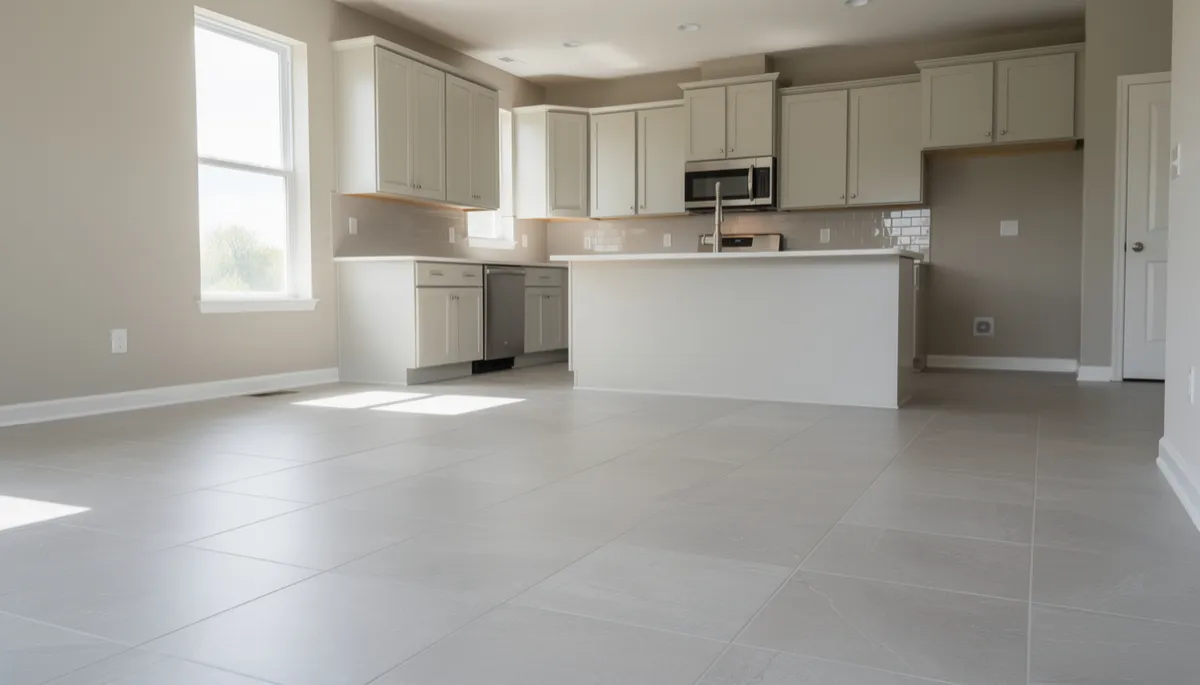
How to Choose Tile Kitchen Flooring That’s Easy to Keep Clean
If you’re remodeling your kitchen or building new, picking the right tile for your kitchen floor is a big decision. With the amount of foot traffic, spills, and messes that happen in kitchens, most homeowners in Canonsburg want something that looks great but is also easy to keep clean. Here’s what you should know when choosing tile kitchen flooring for a low-maintenance kitchen.
What Tile Materials Are the Easiest to Maintain in a Kitchen?
Ceramic and porcelain tiles are the top choices for easy-to-clean kitchen floors. Both materials are dense, non-porous, and resist stains from food and drink. Porcelain is a bit tougher and less likely to chip, but either will hold up well in a busy household. Natural stone tiles like slate or travertine look great, but they tend to be more porous and need regular sealing to keep out stains. If you want something truly simple, stick to glazed ceramic or porcelain.
How Does Tile Size and Pattern Affect Cleaning?
Larger tiles mean fewer grout lines, which is a big plus for maintenance. Grout is the part that tends to trap dirt and grease. For kitchen floors, consider tiles at least 12x12 inches or even larger formats. Simple patterns—straight set or offset—are easiest to sweep and mop, while intricate layouts with small pieces (like mosaics) can make cleaning more tedious.
What Finish Should I Choose for Less Scrubbing?
Glossy tiles can show smudges, water spots, and greasy fingerprints, so a matte or satin finish is usually better for hiding everyday messes. Textured or slip-resistant finishes can help with safety in the kitchen, but too much texture can make it harder to wipe up spills. It’s about finding the right balance between slip resistance and smoothness for easy mopping.
Is Grout Maintenance a Big Issue?
Grout lines are often the trickiest part of tile floor maintenance. Choosing a darker grout color can help hide stains, and using a high-quality grout sealer will keep moisture and spills from soaking in. Epoxy grout is another option—it’s more expensive but much more stain-resistant than cement-based grout. If you want to minimize maintenance, go for narrow grout lines and ask about sealed or epoxy grout during your kitchen flooring installation.
Will Tile Stand Up to My Family’s Lifestyle?
Tile is hardwearing and stands up to dropped pots, pet claws, and kids running through with muddy sneakers. Porcelain is even more durable than ceramic. However, tile can feel cold and hard underfoot, so you might consider using area rugs in the most-used spots. Underfloor heating is another option if you want to take the chill off, especially during Canonsburg winters.
How Do I Keep My Tile Floors Looking New?
Routine cleaning is straightforward: sweep or vacuum regularly to keep grit from scratching the surface, and mop with a mild cleaner. Avoid harsh chemicals or abrasive pads, which can dull the finish or damage the grout. Most homeowners find that a weekly sweep and a quick damp mop are all it takes to keep tile kitchen floors looking sharp. For more details on integrating new tile floors into a full remodel, check out our kitchen remodeling page.
What About Style Choices—Can I Get Easy Maintenance and Good Looks?
Absolutely. Tile comes in nearly every color and pattern you can think of, including options that mimic wood, stone, or concrete. You can match your flooring to your cabinets or countertops for a cohesive look. If you’re changing more than just the floor, consider how your new tile will coordinate with a custom cabinet installation or new backsplash. Durable doesn’t have to mean boring.
Frequently Asked Questions
How often should grout be sealed in a kitchen?
For cement-based grout, sealing once a year is a good rule of thumb. If you use epoxy grout, sealing isn’t needed, which can save time and hassle.
Will tile crack if I drop something heavy?
Tile is tough, but it’s not indestructible. Dropping a cast iron pan or similar object can crack a tile. It’s a good idea to keep a few spare tiles from your installation, just in case repairs are needed down the road.
Is tile flooring slippery when wet?
Some tiles can be slippery, especially glossy finishes. For kitchens, a matte or textured finish is a safer choice and provides better traction, even when there’s a spill.
Can I install tile over an existing floor?
Often, tile can be installed over a level, stable surface like old vinyl or tile, but not over hardwood or uneven subfloors. A professional can assess your specific situation during the planning phase.
If you’re considering tile kitchen flooring in Canonsburg or the surrounding area, the right choice can save you hours of cleaning and keep your kitchen looking sharp for years to come. Contact Togo Custom Homes to discuss your options or schedule a consultation—we’d be happy to walk you through the best solutions for your space.


