
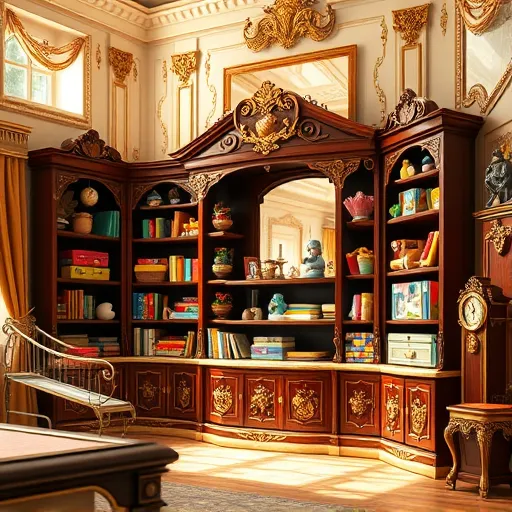
Family Friendly Accessible Home Storage: A Historical Evolution
In the intricate tapestry of home design, storage has always played a pivotal role—especially when it comes to creating family friendly accessible home storage. From the humble beginnings of simple wooden chests to today’s sophisticated, ergonomic systems built into every corner, the journey of accessible storage unveils much about our evolving lifestyles, needs, and technological advancements.
How Did Early Homes Address Family Storage Needs?
Centuries ago, storage in family homes was primarily functional but rudimentary. Early settlers and traditional societies relied on handcrafted wooden trunks, woven baskets, and built-in niches carved into walls. These methods reflected the materials available and the architectural limitations of the time. Storage was often communal and unsegmented, emphasizing durability over convenience.
Families typically stored essential items such as linens, clothing, and food caches in heavy wooden chests that doubled as seating or tables. The lack of accessibility features—common in this era—reflected a different societal approach to mobility and home life, often placing younger or able-bodied family members in charge of retrieving stored items.
When Did the Concept of Accessibility Influence Home Storage?
The dawn of the 20th century brought profound social and technological changes that began to influence home storage design significantly.
With urbanization, smaller home footprints meant storage had to become more organized, accessible, and efficient. The introduction of built-in cabinetry, adjustable shelving, and compartmentalized drawers shifted storage towards personalized and accessible layouts.
Accessibility started to gain prominence especially after World War II, with returning veterans and aging populations demanding homes that could accommodate limited mobility. This shift began embedding the core principles of family friendly accessible home storage: easy reach, clear visibility, and adaptive design.
How Did Mid-Century Innovations Shape Accessible Home Storage?
The mid-1900s saw the rise of ergonomics and universal design concepts, which greatly influenced family friendly accessible home storage. Storage solutions became modular, with adjustable shelves, sliding trays, and pull-out drawers designed to reduce strain and improve access for all family members, including children and seniors.
Kitchen cabinetry, for example, evolved to include lower countertops and roll-out shelves that reduced bending and stretching. This period marked the beginning of prioritizing user comfort alongside aesthetics.
Such innovations are evident in contemporary services like custom kitchen cabinets, which allow families to tailor storage for maximal accessibility and convenience, reflecting these historical advances.
Why Is Family Friendly Accessible Home Storage More Important Today?
Modern lifestyles demand multifaceted storage solutions that accommodate diverse family dynamics. With busy schedules, children’s varying needs, and the increasing number of multi-generational households, accessibility in home storage is essential not just for convenience but for safety and independence.
Factors influencing this include:
- Mobility Challenges: More families incorporate accessible features to support elderly members or those with disabilities.
- Space Optimization: Urban homes with limited footprints rely on smart storage solutions that maximize every inch.
- Technology Integration: Smart storage systems now incorporate lighting, motion sensors, and automated features to enhance accessibility.
These demands have driven services focusing on personalization and accessibility, such as pantry design and installation that caters to specific family needs, blending function with ease of use.
How Have Technological Advances Influenced Storage Accessibility?
Digital innovations have transformed family friendly accessible home storage from purely mechanical solutions to integrated smart systems. Innovations in materials—such as lightweight composites and soft-close hardware—have enhanced usability. Additionally, lighting upgrades like motion-activated LEDs increase visibility in storage spaces, reducing accidents and improving accessibility.
Home automation now aids in storage management, with inventory tracking and voice-controlled mechanisms making access effortless. These trends resonate with comprehensive remodeling offerings, including kitchen remodeling, where smart, accessible storage can be seamlessly integrated into the home’s design.
What Are Key Features of Family Friendly Accessible Home Storage Designs?
Contemporary accessible storage emphasizes inclusivity without sacrificing style. Key features include:
- Adjustable Shelving and Modular Units: Allowing customization according to family needs and physical capability.
- Pull-Out Systems: Drawers and shelves that slide out smoothly, providing full visibility and easy reach.
- Lowered Storage Levels: Ensuring accessibility for children and individuals with limited mobility.
- Clear Labeling and Lighting: Enhancing identification and retrieval of items efficiently.
- Ergonomic Hardware: Soft-close hinges, easy-grip handles, and minimal force requirements.
Togo Custom Homes excels in implementing these features through expert remodeling that transforms spaces into inclusive, user-friendly environments.
How Can Families Adapt Their Storage to Meet Future Needs?
Planning for future accessibility means anticipating changes in family composition, mobility, and lifestyle. Adaptability is key:
- Flexible Layouts: Incorporate adjustable and movable components in storage to remodel as needs evolve.
- Multi-Functional Spaces: Design storage areas that serve dual purposes, such as seating with storage or kitchen islands with built-in cabinets.
- Technology-Ready Designs: Prepare wiring or controls for future smart home integration.
Renovation and remodeling projects like home additions or room additions can further enhance storage capacity, ensuring a family home evolves seamlessly over time.
What Should Homeowners Consider When Upgrading to Accessible Storage?
When upgrading to family friendly accessible home storage, homeowners should focus on:
- Functionality: Prioritize ease of use for all family members.
- Aesthetics: Maintain harmony with overall home design.
- Durability: Choose materials and hardware that withstand daily use.
- Space Utilization: Optimize storage without crowding living areas.
Professional consultants and skilled contractors like those at Togo Custom Homes provide tailored solutions considering these factors to create balanced, sustainable storage environments.
Frequently Asked Questions About Family Friendly Accessible Home Storage
What makes home storage 'family friendly' and 'accessible'?
Family friendly accessible home storage is designed to be usable and convenient for all family members regardless of age or mobility. It incorporates elements like adjustable heights, easy-to-open drawers, and visibility enhancements to accommodate diverse needs.
Can accessible storage solutions be stylish?
Absolutely. Modern design innovations allow accessible storage to blend function with aesthetics, ensuring practical solutions do not compromise the home’s visual appeal.
How does custom cabinetry improve accessible storage?
Custom cabinetry allows homes to tailor storage dimensions, configurations, and features to the specific needs of the family, improving accessibility, organization, and overall usability.
Are there specific remodeling services that focus on improving storage accessibility?
Yes. Services such as kitchen remodeling, pantry design and installation, and home additions often incorporate accessible storage upgrades as part of their comprehensive approach.
How can technology improve home storage accessibility?
Technology enhances accessibility through automated lighting, smart inventory management, and voice-activated systems, making storage spaces easier and safer to use for all family members.
Understanding the historical evolution of family friendly accessible home storage highlights the profound strides made in balancing function, comfort, and inclusivity within the home. By integrating these time-tested principles with modern innovations, families today enjoy tailored solutions that support dynamic lifestyles and foster long-term accessibility.


