
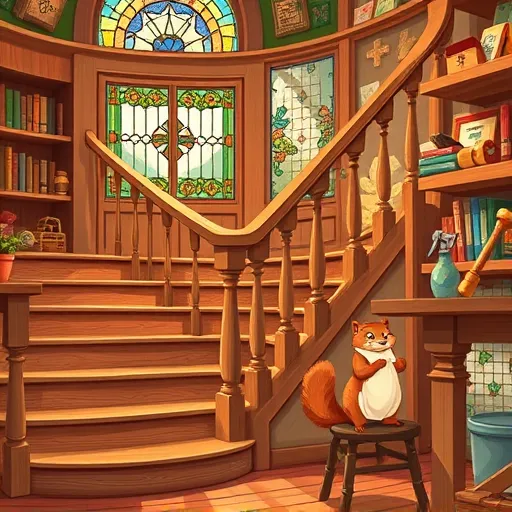
Installing Handrails for Stair Safety: Enhance Your Home’s Safety & Style
Why Is Installing Handrails for Stair Safety Essential in Every Home?
Staircases are a central feature in many homes, linking different levels while offering an opportunity to showcase exquisite design. However, without the appropriate safety features, stairs can be hazardous, particularly for children, elderly family members, and guests. Installing handrails for stair safety is more than just a legal or functional requirement—it is a gracious commitment to protecting your loved ones and enhancing your home’s aesthetics.
Handrails provide crucial support that reduces the chances of slips and falls on staircases. Beyond safety, a well-designed handrail can serve as a refined architectural element that complements your home’s style, reflecting your personality and attention to detail. Whether your home boasts modern minimalism or classic elegance, the right handrail installation can gracefully unify function and beauty.
How Can You Choose the Perfect Handrail for Your Stair Safety Needs?
Selecting the ideal handrail involves balancing safety features with aesthetic harmony. The materials, style, height, and installation method all influence not only the handrail’s performance but also how it integrates with your existing décor.
- Material Choices: Common materials include wood, metal, glass, or a combination of these. Wooden handrails offer warmth and traditional charm, while metal options—such as wrought iron or stainless steel—provide durability and sleekness. Glass panels or balustrades paired with handrails add modern elegance without sacrificing safety.
- Design Styles: From ornate craftsmanship to minimalist lines, your handrails can reflect your home's architectural theme. Consider whether you prefer a continuous rail for steady grip or segmented sections to highlight stair sections.
- Compliance and Height: Building codes often dictate a handrail height between 34 and 38 inches, ensuring comfort and safety for most users. Proper installation is vital for stability and longevity.
At Togo Custom Homes, we guide you through selecting handrails that meet safety standards and elevate your home’s ambiance. Our expertise ensures that installing handrails for stair safety enhances both form and function.
What Are the Step-by-Step Best Practices for Installing Handrails for Stair Safety?
Installing handrails demands precision and attention to detail. Below is a gracious and practical approach to ensure effective stair safety:
- Assessment and Planning: Begin by assessing the stair space, noting dimensions and the type of stairs. Review local safety codes to confirm compliance.
- Material Preparation: Choose durable, aesthetically pleasing materials that suit your home's style and traffic levels.
- Marking and Measuring: Clearly mark the mounting points on walls or posts, ensuring an ergonomic height for users.
- Drilling and Securing Anchors: Use appropriate anchors and screws designed for the wall type and handrail material.
- Mounting the Handrail: Attach brackets securely and mount the handrail, checking for sturdiness and smooth finishes.
- Finishing Touches: Sand edges if needed, apply finishes or paint, and inspect for any sharp points or irregularities.
For homeowners seeking a seamless transformation, trust professionals who specialize in home additions and renovations to integrate stair safety features expertly.
How Does Installing Handrails for Stair Safety Improve Your Home’s Value and Appeal?
Well-executed stair handrails enhance both safety and style, creating a compelling appeal for current residents and future buyers. Homebuyers increasingly prioritize safety features that do not compromise elegance, making handrails an excellent investment.
Handrails signal a conscientious approach to home care, which adds intangible value through peace of mind. Beautifully crafted rails can make a dramatic focal point in your entryway or staircase landing, complementing other cohesive elements such as custom cabinetry and lighting.
Explore how custom kitchen cabinets and thoughtful home improvements can harmonize with your handrail designs to develop a unified, sophisticated environment.
What Design Trends Are Popular for Handrails That Enhance Stair Safety Gracefully?
Design trends for stair handrails continue to evolve, focusing on innovative materials, eco-friendly choices, and subtle blends with existing architecture. Here are some current favorites:
- Minimalist Metal Rails: Thin, matte black or brushed steel rails create airy, contemporary looks without visual heaviness.
- Mixed Materials: Combining wood with metal or glass offers texture contrasts that highlight the staircase elegantly.
- Integrated Lighting: Subtle LED strips embedded along the handrail or stairs improve visibility and inject modern flair.
- Curved and Fluid Shapes: Handrails with organic curves that follow the staircase form bring softness and bespoke character.
Pairing these advancements with thorough craftsmanship and experienced installation ensures your handrails will be as safe as they are stunning.
What Should You Consider When Maintaining Your Handrails for Long-Term Stair Safety?
Maintaining handrails is crucial to preserve their safety features and timeless appearance. Here are key maintenance tips to follow:
- Regular Inspections: Check for loosened brackets, splintered wood, or corrosion on metal components at least twice a year.
- Cleaning: Use appropriate cleaners to avoid damaging finishes—wood polish for wooden rails, gentle soap for metal or glass.
- Timely Repairs: Address any instability or damage promptly to prevent hazards.
- Refinishing: Periodically refinish wood or repaint metal rails to protect surfaces and restore beauty.
When planning broader household updates or remodeling projects, consider how your stair safety improvements complement other renovations such as a bathroom remodeling. Consistency across your home enhances overall style and functionality.
What Are the Frequently Asked Questions About Installing Handrails for Stair Safety?
Are handrails mandatory for all staircases?
Handrails are generally required for stairs with a certain number of steps or height per building codes. However, even if not legally mandatory, installing handrails is a wise choice for safety and style.
Can I install handrails myself or should I hire professionals?
While minor installations may be manageable, professional services ensure compliance with safety codes, precise measurements, and secure fittings, preventing future risks.
What materials are best for indoor handrails?
Indoor handrails commonly use wood for warmth, metal for modern looks, and glass for open atmospheres. The choice depends on your home’s design and maintenance preferences.
How can handrails be designed to accommodate children or elderly family members?
Handrails should be at ergonomic heights and feature smooth, rounded surfaces for comfortable gripping. Adding secondary, lower rails or balusters can further enhance accessibility and safety.
What are some stylish ways to integrate handrails with stair design?
Using complementary materials, coordinating colors with flooring or cabinetry, and incorporating lighting elements can create harmonious, eye-catching stair features.
How Can Togo Custom Homes Help with Installing Handrails for Stair Safety?
At Togo Custom Homes, we understand that safety and beauty go hand-in-hand. Our experienced team offers tailored solutions to elegantly integrate handrails that elevate your home environment while safeguarding your family.
From the initial consultation to design selection and expert installation, we are dedicated to providing exceptional craftsmanship and personalized service. Our comprehensive home improvement expertise ranges from kitchen remodeling to full-scale home additions, ensuring that your stair safety enhancements blend seamlessly with your broader home vision.
Contact us today to discover how installing handrails for stair safety can transform your home into a sanctuary of grace and security.


