
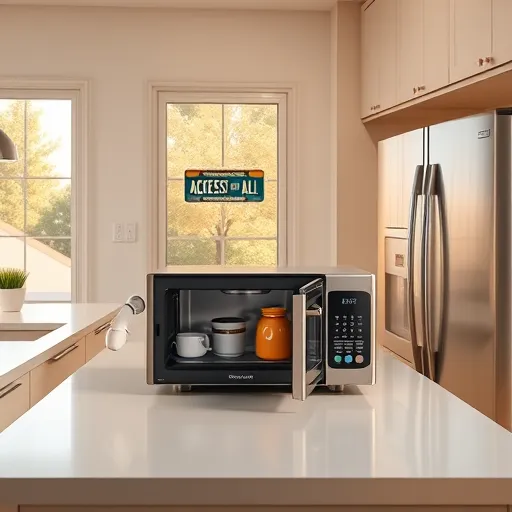
Lowered Microwave Placement for Accessibility: Transform Your Kitchen
What Does Lowered Microwave Placement for Accessibility Really Mean?
For years, I didn’t think much about where our microwave lived in the kitchen—until I finally experienced the difference that lowered microwave placement for accessibility can make. Traditionally, microwaves are perched high above the stove or set into upper cabinetry, which often makes reaching for hot dishes a challenge, especially for those with mobility issues, short stature, or anyone who simply wants a safer, more ergonomic kitchen experience.
Lowering the microwave means positioning it at or near countertop height, integrated within lower cabinetry or an island for easy reach. This isn’t just an aesthetic choice; it’s a functional one that turns an everyday kitchen tool into an accessible and convenient feature for all users. After undergoing a kitchen remodel with Togo Custom Homes that included this change, I realized how much it truly transformed my day-to-day cooking, cleaning, and social interactions in the kitchen.
Why Should You Consider Lowered Microwave Placement for Accessibility?
My honest answer? Convenience, safety, and inclusivity. I noticed that reaching up to grab a steaming plate was a daily frustration that sometimes led to spills or burns. Lowering the microwave dramatically reduced that risk and allowed me to multitask with more ease and confidence. This design adjustment caters to people of all ages and abilities, making the kitchen a welcoming space for everyone.
My friends and family members with diverse physical needs have greatly benefited from this simple change. And beyond physical accessibility, it adds a modern and custom feel that really enhances the overall function of my kitchen space.
How Does Lowered Microwave Placement Impact Kitchen Workflow?
The kitchen is the heart of our home, and workflow is everything when it comes to preparing meals efficiently. Placing the microwave lower helped me rethink the entire layout of my kitchen. It’s now easier to move between the refrigerator, sink, and microwave without awkward stretching or bending. This ergonomic setup cut down meal prep time and made cleanup smoother.
Moreover, with the microwave at a safer height, I could involve my kids more in cooking. They can now quickly reheat snacks without needing assistance, making the kitchen truly a family-friendly environment.
What Are the Best Remodeling Options to Incorporate Lowered Microwave Placement?
Integrating a lowered microwave might require modifications, but it’s easier than you think—especially with experts like Togo Custom Homes' kitchen remodeling services. Whether you’re redesigning your kitchen entirely or making targeted upgrades, here are some popular options:
- Microwave drawers: Installed beneath countertops or islands, these provide easy pull-out access with a sleek look.
- Built-in lower cabinets: Custom cabinetry that includes space specifically designed for microwaves, blending function and style.
- Kitchen island integration: Positioning the microwave within kitchen islands opens up main walls for other cabinetry and appliances.
Pairing these installations with additional elements like kitchen island installation can maximize countertop space and improve accessibility across the board.
What Are the Safety Benefits of Lowered Microwave Placement?
I must confess that lowering the microwave made me feel safer every time I used it. It eliminates the risk of carrying hot and heavy dishes down from above shoulder level—something I hadn’t even thought about deeply until I experienced it firsthand. This placement reduces the risk of burns, drops, and spills. It’s especially vital if you have children, elderly family members, or anyone with limited mobility at home.
Beyond physical safety, it also cuts down on strain and discomfort by allowing you to keep a natural posture while using the microwave—something ergonomic experts endorse as crucial to overall kitchen health.
How Does Lowered Microwave Placement Enhance Kitchen Aesthetics?
This might surprise some, but lowered microwaves can also enhance your kitchen’s visual appeal. With cabinetry customized around the microwave, the kitchen looks more cohesive and tailored rather than pieced together. I found that this seamless integration opened up my kitchen walls and transformed how light and space flowed throughout the room. Opting for custom kitchen cabinets allowed me to perfectly match finishes and hardware, reinforcing a polished and intentional design statement.
What Are Common Challenges When Transitioning to Lowered Microwave Placement?
Any remodel can come with its own set of considerations. Some challenges I faced, and that you might encounter, include:
- Space constraints: Not all kitchens have free space at lower cabinet levels, which may require creative breadth or depth adjustments.
- Electrical and venting adjustments: Moving the microwave might require new wiring or vent placements to maintain safety and performance.
- Budget planning: Although often cost-effective compared to other appliances, installing a lowered microwave might include additional cabinetry work or counters adjustments.
Working with remodeling professionals who understand accessibility, ergonomic design, and technical requirements can solve these challenges smoothly.
How Can You Start Planning Your Kitchen Remodel With Lowered Microwave Placement?
When I first decided to lower my microwave, the best step was reaching out to trusted kitchen remodeling experts who could translate my vision into reality without guesswork. If you’re ready to embrace this change, start by thinking about:
- Assessing your current kitchen layout and traffic flow
- Identifying your daily kitchen challenges and accessibility needs
- Exploring complementary upgrades like lighting, countertop surfaces, and cabinetry for a cohesive transformation
- Consulting with professionals like Togo Custom Homes' kitchen layout redesign services to customize a plan unique to your space
This approach allows you to build a purposeful, beautiful, and highly functional kitchen that fits your lifestyle.
Frequently Asked Questions About Lowered Microwave Placement for Accessibility
Is lowered microwave placement suitable for all kitchen sizes?
Yes, whether you have a sprawling kitchen or a smaller footprint, lowered microwave placement can be adapted. Compact and custom solutions like microwave drawers are ideal for smaller spaces, ensuring easy accessibility without sacrificing style or function.
Will lowering the microwave affect cooking times or performance?
Not at all. Microwave performance remains consistent regardless of placement, as long as proper ventilation and electrical requirements are met. The key advantage is safer and more convenient access rather than any change in functionality.
Can lowered microwaves blend with traditional kitchen designs?
Absolutely. Custom cabinetry and thoughtfully chosen finishes help the lowered microwave appear as an integrated part of your kitchen’s aesthetic—whether modern, farmhouse, or classic. The customization options available today make blending accessibility features into any style seamless.
Does lowering the microwave increase the risk of damage?
On the contrary, having the microwave at a reachable height decreases the chances of accidental drops or spills during use, thus protecting your appliance and your kitchen environment overall.
Should I combine lowered microwave placement with other accessibility features?
Yes, combining your microwave placement upgrade with other accessibility options—such as pull-out shelves, lever-style faucets, and wide aisles—can create a universally functional kitchen space suitable for all users.
Choosing to reposition your microwave lower in the cabinetry is more than just a design trend or a convenience upgrade—it’s a lifestyle transformation. It opens the door to safer, more efficient, and welcoming kitchen experiences, tailored uniquely to the needs of your household. If you’re ready to explore how this change could impact your kitchen, reach out to Togo Custom Homes' professional remodeling team. We’re passionate about creating spaces that marry function with beauty, delivering kitchens you’ll love every day.


