
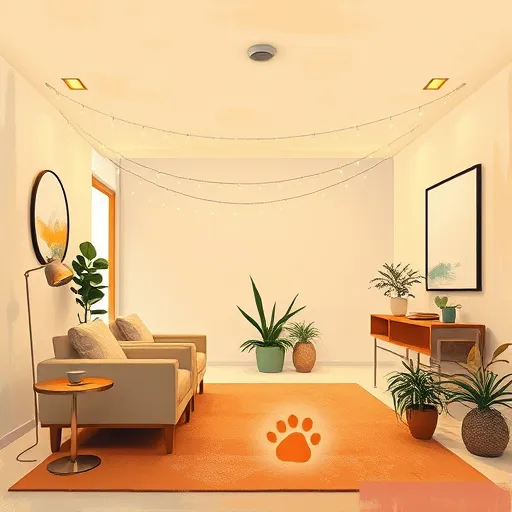
Motion Sensor Lighting for Accessible Homes: Enhance Safety & Independence
What Is Motion Sensor Lighting for Accessible Homes and Why Does It Matter?
Motion sensor lighting for accessible homes is an innovative lighting solution designed to automatically illuminate spaces when movement is detected. This technology plays a crucial role in enhancing safety and fostering independence for individuals with mobility challenges, seniors, or those with visual impairments. By eliminating the need to manually switch lights on and off, motion sensor lighting creates an intuitive, hands-free experience that minimizes the risk of falls or accidents in key areas of the home.
The significance of this lighting solution goes beyond convenience. For accessible homes, it represents a critical component of smart environmental design that supports daily living activities, reduces anxiety, and boosts confidence. Whether navigating corridors at night or entering a kitchen, automatic lighting can significantly improve spatial awareness and comfort.
How Does Motion Sensor Lighting Improve Safety in Accessible Homes?
Safety is paramount in any home, but accessible homes require tailored solutions to address specific mobility and sensory needs. Motion sensor lighting enhances safety by providing consistent illumination exactly when and where it’s needed, substantially reducing dark spots or poorly lit pathways.
- Immediate illumination: This feature prevents hesitation or trips caused by fumbling for light switches in the dark.
- Hands-free operation: Especially valuable for individuals using walkers, wheelchairs, or canes who may find reaching switches difficult.
- Timed lighting: Lights remain on long enough for safe navigation and automatically switch off, conserving energy and preventing confusion.
- Customized zones: Lights can be installed strategically in areas prone to hazards, such as stairways, bathrooms, kitchens, and hallways.
For homeowners considering upgrades, integrating motion sensor lighting is a forward-thinking step to crafting safer, more accessible environments.
What Are the Key Benefits of Installing Motion Sensor Lighting for Accessible Homes?
Beyond safety, motion sensor lighting offers several practical and lifestyle benefits that align with the goals of accessibility:
- Enhanced Independence: Users can navigate their surroundings without assistance, reinforcing autonomy.
- Energy Efficiency: Lights only activate when needed, reducing electricity consumption and lowering utility bills.
- Convenience: Eliminates the frustration of searching for switches, particularly during nighttime or emergency situations.
- Versatility: Compatible with different types of bulbs and fixtures that can complement home design.
- Customization: Sensitivity and timing can be adjusted to suit individual needs and lifestyle preferences.
From a holistic perspective, these benefits contribute to a home environment that supports long-term well-being and comfort.
Where Should Motion Sensor Lighting Be Installed in Accessible Homes for Maximum Impact?
Strategic placement of motion sensor lighting is essential to maximize its benefits. Common and recommended locations include:
- Entryways and hallways: Ensures safe arrival and transit through the home.
- Bathrooms: Critical areas prone to slips and falls benefit immensely from automatic lighting.
- Kitchens: Where tasks require clear visibility and hands-free operation enhances efficiency.
- Stairs and ramps: Vital zones that necessitate immediate illumination to prevent accidents.
- Garages and basements: Often poorly lit areas that pose a safety risk without proper lighting.
Homeowners planning comprehensive accessible home modifications might also consider bathroom remodeling or kitchen lighting upgrades by professionals, integrating motion sensor lighting into broader safety and accessibility projects.
How Can Motion Sensor Lighting Be Integrated with Other Accessible Home Features?
Motion sensor lighting complements a variety of accessible home enhancements to create cohesive, user-friendly living spaces. When combined with other design elements such as grab bars, wider doorways, lowered countertops, and smart home technologies, sensor lighting can transform the usability and safety of a residence.
For example, pairing motion sensor lighting with a kitchen remodel that focuses on accessibility can make meal preparation safer and more comfortable. Togo Custom Homes offers expert services like kitchen remodeling tailored to meet specific accessibility requirements—ensuring lighting and cabinetry work harmoniously for an optimized environment.
Similarly, integrating lighting controls with voice-activated systems or mobile apps elevates the experience by allowing users to tailor their environment with minimal effort.
What Should Homeowners Consider When Choosing Motion Sensor Lighting for Accessible Homes?
When selecting motion sensor lighting, it’s important to evaluate several factors to ensure the best fit for individual needs and home layouts:
- Sensor range and sensitivity: Must cover intended areas without triggering false activations.
- Lighting type and intensity: Choose bulbs that provide adequate brightness without causing glare or discomfort.
- Placement height and angle: Optimal positioning prevents shadows and ensures comprehensive coverage.
- Compatibility with existing fixtures: Helps maintain aesthetic consistency and functionality.
- Ease of installation and maintenance: Consider professional installation to guarantee proper setup and longevity.
Collaborating with experienced builders, such as home additions specialists at Togo Custom Homes, can provide valuable insight into integrating motion sensor lighting seamlessly within your enhanced living space.
How Does Motion Sensor Lighting Support Aging in Place?
For many seniors, aging in place—remaining in their own homes safely and independently—is a top priority. Motion sensor lighting is a key enabler of this goal by reducing hazards and empowering users to move confidently throughout their homes.
The hands-free nature of sensor lighting eliminates common barriers related to joint pain or vision decline, making everyday tasks less daunting. By illuminating critical pathways automatically, seniors are less likely to hesitate or stumble, contributing to overall peace of mind for both residents and their families.
Integrating motion sensor lighting into accessible home remodeling efforts aligns perfectly with the concept of creating future-ready spaces that adapt gracefully to changing needs over time.
Frequently Asked Questions About Motion Sensor Lighting for Accessible Homes
Can motion sensor lighting be installed in existing homes without major renovations?
Yes, many motion sensor lighting systems are designed for easy retrofit installation. Wireless, battery-operated units are also available, providing flexible solutions that do not require extensive wiring or construction. However, professional consultation ensures optimal placement and integration.
Will motion sensor lighting work well in rooms with pets or high foot traffic?
Modern motion sensors can be calibrated to reduce false triggers from pets or brief movements. Choosing sensors with adjustable sensitivity or pet-immune technology helps minimize unwanted activations while maintaining safety.
Are motion sensor lights compatible with all types of bulbs?
Most motion sensor systems support standard LED, CFL, and incandescent bulbs, though it is best to verify compatibility before purchase. LED bulbs are recommended for energy efficiency and longevity.
How can I maintain my motion sensor lighting system for best performance?
Regular dusting of sensors, timely replacement of bulbs, and occasional sensitivity adjustments will keep your system functioning optimally. Consulting with your installer for maintenance tips ensures lasting benefits.
Can motion sensor lighting be integrated with other smart home devices for enhanced control?
Absolutely. Many motion sensor lighting systems are compatible with smart home hubs, allowing voice commands, scheduling, and remote control via smartphones for customized lighting environments.
How Can Togo Custom Homes Help You Enhance Your Accessible Living Spaces?
At Togo Custom Homes, we specialize in creating safe, functional, and beautiful environments that meet your unique accessibility needs. From initial consultation to final finishes, our team embraces a guiding approach to help you make informed decisions about motion sensor lighting for accessible homes and much more.
Whether you’re considering kitchen remodeling, planning home additions that improve accessibility, or focusing on precise lighting upgrades, our expert craftsmanship ensures that every detail supports your lifestyle goals.
Contact Togo Custom Homes today to begin your journey toward safer, more independent living through tailored accessible home solutions.


