
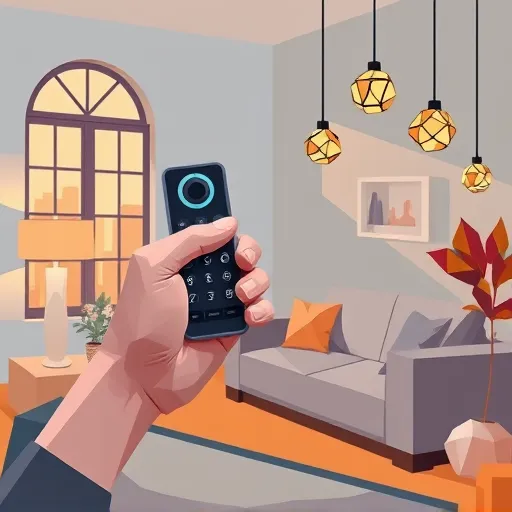
Transform Your Space with Remote Control Lighting for Accessible Homes
What Is Remote Control Lighting for Accessible Homes and Why Is It Important?
Remote control lighting for accessible homes revolutionizes how individuals interact with their environment, especially for those with mobility challenges or disabilities. This innovative lighting solution empowers users to manage lighting fixtures effortlessly through remote controls, smartphone apps, voice commands, or centralized home automation systems. The significance lies in its ability to enhance independence, safety, and comfort in everyday living spaces.
Unlike traditional lighting, which may require physical switches that are difficult to reach or operate, remote control lighting gives complete command from a distance or even hands-free. This is crucial for accessible homes where traditional solutions fall short in meeting diverse mobility needs. By integrating such lighting systems, homeowners create an inclusive environment that adapts seamlessly to personal requirements, improving quality of life.
How Can Remote Control Lighting Enhance Convenience in Accessible Homes?
Convenience is at the heart of remote control lighting. Through simple interfaces or voice assistants like Alexa and Google Home, users can turn lights on and off, adjust brightness, or change colors with ease. This eliminates the need to navigate rooms in darkness or reach difficult switches—significant advantages for people with limited mobility or vision impairments.
Moreover, timed lighting schedules and sensors can automate lighting based on daily routines or ambient light levels, reducing manual intervention. Imagine arriving home after dark and having your hallway light up automatically, or setting bedroom lighting to gradually brighten in the morning to promote natural waking patterns. These smart features transform house lighting into an intuitive, responsive system that adapts fluidly to your lifestyle.
What Are the Best Types of Remote Control Lighting for Accessible Homes?
When selecting remote control lighting for accessible homes, several options stand out for functionality and ease of use:
- Smart LED Bulbs: Integrate with Wi-Fi and can be controlled individually or grouped via apps to set scenes or moods.
- Wireless Light Switches and Dimmers: Place switches within easy reach or use remote handheld controls for flexible lighting setups.
- Voice-Activated Lighting Systems: Use natural language commands to control lights without lifting a finger.
- Motion-Activated Lights: Ideal for common areas or bathrooms, activating when movement is detected to improve safety.
- Under-Cabinet and Accent Remote Lighting: Perfect for task lighting in kitchens or ambient lighting in living spaces, enhancing usability and ambiance.
For specialized remodeling projects, such as kitchen remodeling, integrating under-cabinet lighting with remote controls can dramatically improve accessibility. Users can brighten countertops without disrupting their workflow or needing to navigate to switches.
How Does Remote Control Lighting Improve Safety in Accessible Homes?
Safety is paramount when designing an accessible home, and remote control lighting plays a critical role. Instant control over lighting reduces the risks of trips, falls, or accidents caused by insufficient illumination or inconvenient switch placement.
By using remote or automated lighting, elderly individuals or people with disabilities can navigate hallways, staircases, and bathrooms securely, especially at night. Motion sensors can trigger lights as someone approaches, preventing dark zones that could cause disorientation. Additionally, remotely adjustable brightness helps avoid glare or overly dim settings that might impair vision.
When paired with other home modifications such as room additions designed for accessibility, remote lighting systems contribute to a well-rounded safe environment that supports independent living.
What Should You Consider When Installing Remote Control Lighting in Accessible Homes?
Planning and installation need targeted consideration to maximize effectiveness:
- Usability: Choose remote devices that match the user’s physical and cognitive abilities. Large buttons, clear visual indicators, or voice activation may be necessary.
- Compatibility: Make sure the lighting system integrates smoothly with existing home technology or expansion plans.
- Coverage: Design the layout to cover key areas such as entrances, kitchens, bathrooms, and bedrooms to ensure comprehensive control.
- Reliability: Opt for systems with stable connectivity and backup power options for uninterrupted operation.
- Professional Installation: Partnering with experienced remodelers, such as those specializing in bathroom remodeling, ensures compliance with accessibility standards and optimizes system placement.
A thoughtful approach guarantees that remote control lighting will not only be functional but also a seamless part of an accessible home’s ecosystem.
How Can Remote Control Lighting Complement Other Accessible Home Features?
Remote control lighting is most effective when integrated with a broad spectrum of accessibility features:
- Smart Thermostats and Security Systems: Centralized control hubs allow users to manage multiple home functions effortlessly.
- Adaptive Furniture and Fixtures: Lighting can highlight pathways and aid tasks like cooking or personal grooming.
- Voice-Activated Assistants: Combining voice commands for lights, curtains, and appliances creates a truly convenient environment.
For example, remote lighting in a remodeled kitchen with customized cabinetry and layout can facilitate safer food preparation and interaction. Explore options like custom kitchen cabinets designed with accessibility in mind to complement your lighting solutions.
What Are the Latest Innovations in Remote Control Lighting for Accessible Homes?
Technology in remote control lighting continues evolving rapidly, enabling advanced personalization and smarter home integration:
- AI-Powered Systems: Learn user habits to automate lighting adjustments intelligently.
- Color Temperature Tuning: Adjust lighting warmth to support circadian rhythms and enhance well-being.
- Wearable Controls: Use bracelets or smartwatches for easy control without additional devices.
- Energy-Efficient Solutions: Utilize LED and solar-powered options to combine accessibility with sustainability.
These innovations make it easier for homeowners to customize their environment while reducing energy consumption and maintenance efforts.
Frequently Asked Questions About Remote Control Lighting for Accessible Homes
Can remote control lighting be installed in existing homes without major renovations?
Yes, many remote lighting solutions are designed for retrofit applications. Wireless bulbs, smart switches, and plug-in modules can often be installed without extensive rewiring or remodeling, making it accessible and cost-effective for upgrading current spaces.
Are these lighting systems compatible with popular smart home platforms?
Most modern remote lighting products support platforms such as Amazon Alexa, Google Assistant, and Apple HomeKit, facilitating voice control and integration with other smart devices in accessible homes.
How does remote lighting help individuals with visual impairments?
Remote control lighting allows users to adjust brightness and color temperature easily, reducing eye strain and improving visibility. Voice commands and tactile remotes also reduce dependency on physical switches that may be hard to locate or operate.
What maintenance is required for remote control lighting systems?
Maintenance largely involves replacing bulbs when needed (especially LED bulbs with very long lifespans), updating software or apps, and ensuring connectivity. Overall, these systems require minimal upkeep compared to traditional lighting.
Can remote control lighting be combined with other home automation features for accessible living?
Absolutely. Lighting is a key component of smart homes and works best when integrated with security, HVAC, entertainment, and other automation systems, creating cohesive and user-friendly accessible living environments.
How Can Togo Custom Homes Help You Implement Remote Control Lighting for Accessible Homes?
At Togo Custom Homes, we specialize in creating personalized living spaces that prioritize accessibility, comfort, and style. Whether you're considering a complete new home construction tailored for accessibility or remodeling projects that incorporate adaptive lighting, our expert team guides you through every step.
We understand the critical role remote control lighting plays in modern accessible homes. Our solutions focus on seamless integration with other design elements, such as ergonomic cabinetry, optimized layouts, and safety features, to ensure your home truly meets your needs.
Contact us today to transform your space with smart, convenient lighting that enhances your independence and quality of life.


