
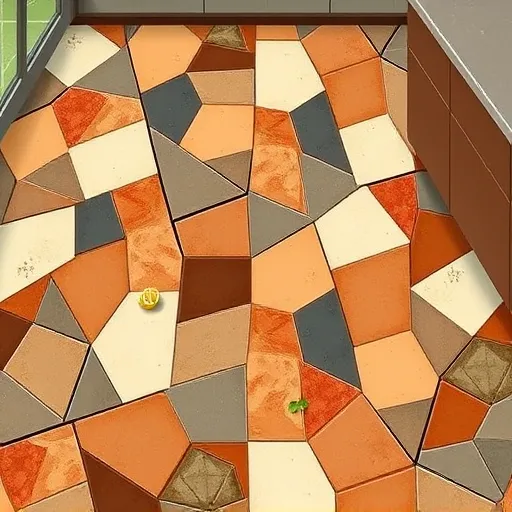
Tile Kitchen Flooring: How to Choose & Install Durable Tile Flooring
What Are the Benefits of Choosing Tile Kitchen Flooring?
Tile kitchen flooring offers unmatched durability, versatility, and aesthetic appeal, making it a top choice for homeowners looking to combine style and function. Its resistance to stains, scratches, moisture, and heat provides a lasting surface ideal for a high-traffic area like the kitchen. Furthermore, tile flooring comes in a wide variety of materials, including ceramic, porcelain, and natural stone, offering countless design options to complement any kitchen style.
Another practical advantage is the ease of cleaning—spills and messes can be quickly wiped away without worry about water damage or staining. With proper installation and maintenance, tile kitchen flooring can last for decades, adding value to your home and providing a beautiful foundation for your cooking space.
How Do I Choose the Right Tile for My Kitchen Floor?
Selecting the perfect tile for your kitchen floor requires balancing durability, style, and functionality. Start by considering the material:
- Ceramic tiles are affordable, available in numerous colors and patterns, and fairly durable.
- Porcelain tiles are denser and more water-resistant, excellent for kitchens prone to moisture exposure.
- Natural stone tiles like slate, travertine, or marble bring unique textures and luxury but may require more maintenance.
Next, think about the tile size and finish. Large-format tiles create a modern, open look and reduce grout lines, which simplifies cleaning. Matte or textured finishes increase slip resistance—essential for a kitchen environment.
Don’t forget color and pattern: lighter colors can brighten the space, while darker tiles can hide dirt better. Subway tiles, hexagonal patterns, or wood-look porcelain are emerging trends worth exploring for a timeless or contemporary kitchen design.
If you're considering a full kitchen remodel, Togo Custom Homes’ kitchen remodeling services can help you integrate your new flooring seamlessly with cabinetry, countertops, and layout improvements.
What Preparation Is Needed Before Installing Tile Kitchen Flooring?
Proper preparation is key to ensuring your new tile kitchen floor remains durable and looks flawless over time. Start with a thorough assessment of your existing floor. Remove old flooring materials such as vinyl, linoleum, or carpet and repair any damage to the subfloor, including cracks or uneven sections.
The subfloor must be clean, dry, and level; tile installation on an uneven or unstable surface can lead to cracking or loose tiles later. For concrete subfloors, check for moisture issues as excessive dampness can affect tile adhesive effectiveness.
Installing a cement backer board can provide additional support, especially on plywood subfloors, enhancing durability and preventing moisture damage. This step is crucial if you want your tile kitchen flooring to withstand the daily rigors of cooking and cleaning.
How Do I Properly Install Tile Kitchen Flooring Step by Step?
- Plan your layout: Measure your kitchen’s dimensions carefully and create a tile layout plan to minimize small cuts and grout lines in visible areas.
- Gather tools and materials: You will need tile adhesive (thinset mortar), notched trowel, spacers, tile cutter or wet saw, grout, sponge, level, and a rubber mallet.
- Mix and apply adhesive: Prepare the thinset according to manufacturer instructions. Using the notched trowel, spread it evenly on a small section of the subfloor to prevent drying out.
- Set the tiles: Press each tile firmly into the adhesive, using spacers to maintain consistent grout lines. Check the level frequently to ensure an even surface.
- Cut tiles as needed: Measure and cut edge tiles to fit along walls or around cabinets using a tile cutter or wet saw.
- Let adhesive cure: Allow the adhesive to dry fully, often 24-48 hours, before proceeding to grout.
- Apply grout: Spread grout over the tiles with a rubber float, pressing it into the joints. Remove excess grout and wipe tiles clean with a damp sponge.
- Seal grout (optional but recommended): After grout dries, apply a grout sealer to protect against stains and moisture.
Throughout the process, maintain a clean workspace and wear appropriate safety gear such as gloves and eye protection. If you want expert installation with guaranteed precision, consider hiring professionals specializing in tile kitchen flooring installation.
How Can I Maintain My Tile Kitchen Flooring for Longevity?
Routine maintenance keeps your tile kitchen flooring looking beautiful and performing well over time. Here are actionable steps to care for your tiles:
- Regular cleaning: Sweep or vacuum daily to remove dirt and particles that can scratch tile surfaces.
- Mopping: Use a damp mop with a mild detergent designed for tile floors weekly—but avoid harsh chemicals or abrasive scrubbers that can damage grout or tile finishes.
- Grout care: Clean grout lines with a soft brush and grout cleaner periodically to prevent discoloration. Applying grout sealer annually protects against stains.
- Immediate spill cleanup: Wipe spills promptly to avoid potential stains, especially with natural stone tiles.
- Protective measures: Use mats or rugs near sinks and entry points to reduce wear and potential water exposure.
Following these simple tips ensures your tile kitchen flooring remains durable and attractive for years. For comprehensive kitchen updates, you might also explore custom kitchen cabinets that complement your flooring seamlessly.
What Are Common Challenges When Installing Tile Kitchen Flooring, and How Can I Avoid Them?
Installing tile kitchen flooring might seem straightforward, but common challenges include uneven subfloors, improper adhesive application, and inaccuracies in tile layout leading to unsightly cuts and grout lines.
Avoid these pitfalls by:
- Thoroughly prepping the subfloor for flatness and moisture control.
- Following manufacturer guidelines rigorously for adhesive mixing and application.
- Planning the tile pattern meticulously with consideration for room shape and focal points.
- Using proper cutting tools to achieve clean edges and prevent tile breakage.
- Allowing sufficient drying time for both adhesive and grout before regular use.
If these steps feel complex or time-consuming, partnering with experienced professionals ensures a smooth process and lasting results for your tile kitchen flooring.
Frequently Asked Questions About Tile Kitchen Flooring
Is tile flooring cold and uncomfortable underfoot?
Tile is naturally cooler than materials like wood or carpet; however, this can be mitigated by installing radiant floor heating beneath your tiles or adding cushioned mats in key standing areas to enhance comfort.
Can I install tile flooring over existing flooring?
In some cases, tile can be installed over existing vinyl or concrete floors if the surface is level and in good condition. However, removing older flooring is often recommended for optimal adhesion and longevity.
What is the best grout color for tile kitchen flooring?
Grout color depends on your design goals—matching grout to tile color creates a seamless look, while contrasting grout can highlight tile patterns. Neutral tones offer versatility and easier maintenance by hiding dirt.
How long does tile kitchen flooring installation take?
The timeline varies with kitchen size and complexity but typically ranges from several days to a week, including preparation, installation, drying, and grouting.
Where Can I Find Professional Help for Tile Kitchen Flooring?
At Togo Custom Homes, we specialize in comprehensive kitchen transformations including expert tile kitchen flooring installation that ensures durability, beauty, and precision. Our skilled team works closely with you to select the right materials and execute flawless installation, integrating your flooring effortlessly with other kitchen elements.
Explore our kitchen remodeling services to revamp your entire kitchen space or consider adding elegant tile backsplash installation to complement your flooring. For homeowners looking for full home enhancements, our home additions service can expand your living space while maintaining cohesive design.
Choosing and installing tile kitchen flooring can transform your kitchen into a stunning centerpiece of your home. Follow this guide and leverage professional expertise to achieve a durable, stylish floor that meets all your cooking and lifestyle needs.


